.svg)
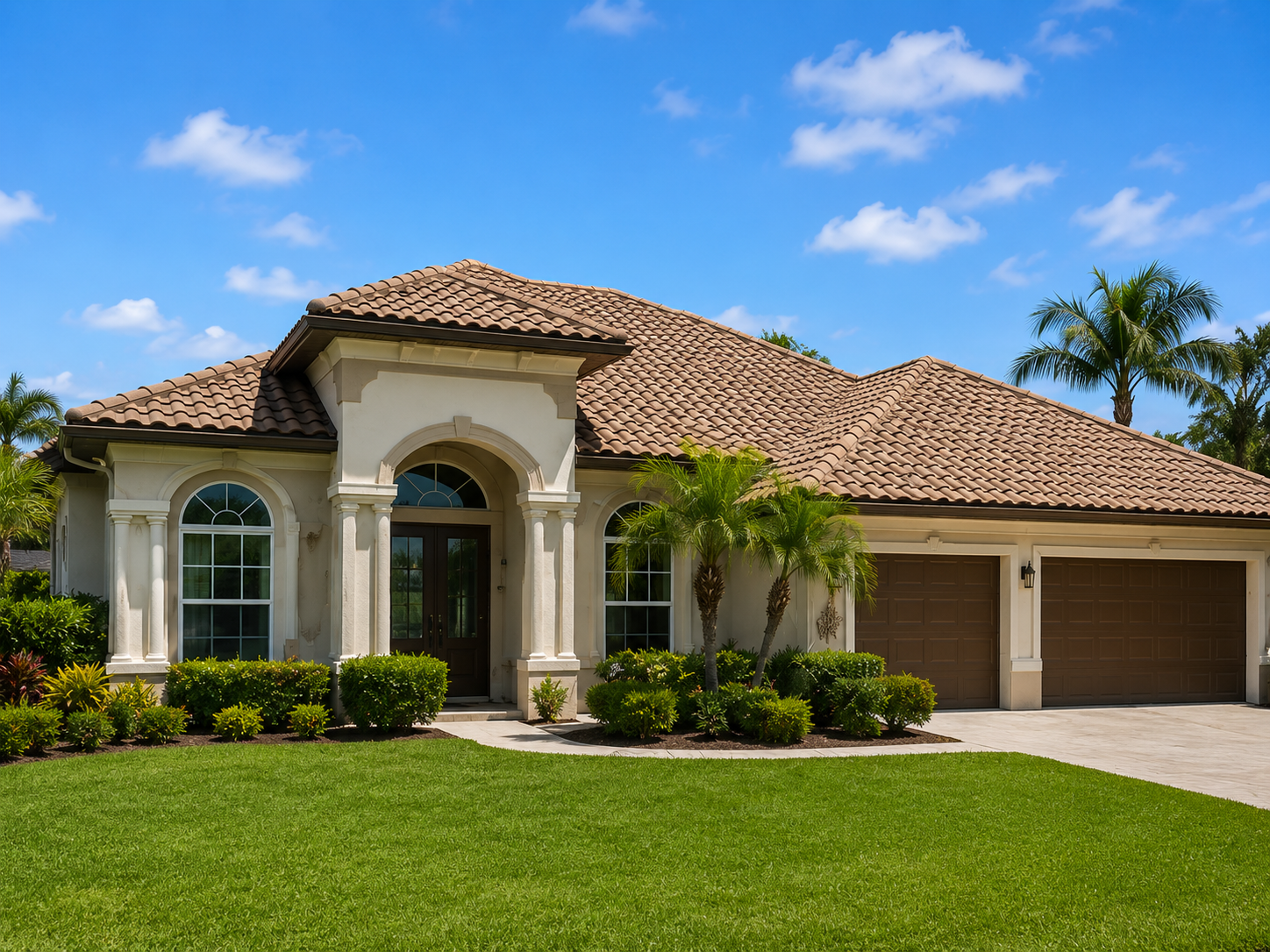
Florida has some of the strictest roofing codes in the country — and that's exactly what you want protecting your home.
Our building code exists because our weather demands it: relentless sun, heavy rain, and hurricane-force wind. For homeowners, the code can feel like fine print, but a handful of its rules directly affect what your roof costs, how it's installed, and whether it holds up when a storm rolls through. Here's the plain-English version of what matters most.
Why Florida's Code Is So Strict
After major hurricanes, Florida tightened its building code to make homes more resilient. The result is a set of rules focused on two things: keeping the roof attached and keeping water out under extreme conditions. When a contractor follows the code to the letter, you get a roof that's genuinely built for Florida — not just one that looks finished from the street.
Underlayment: Your Roof's Real Waterproofing
Shingles and tile are the first line of defense, but the underlayment beneath them is what actually keeps water out if wind drives rain under the surface. Florida code sets requirements for underlayment and how it's attached, and it's one of the most important parts of the entire system. On many roofs, the difference between a leak and a dry attic is the underlayment, not the shingle.
Fastening: How Your Roof Stays On
Code specifies how shingles and tiles are fastened — nail count, placement, and pattern — so the roof can resist uplift in high winds. This work is invisible once the roof is on, which is exactly why it's a corner some contractors are tempted to cut. Done right, proper fastening is a huge part of how a roof survives a storm.
Flashing, Ventilation, and the Details
Code also governs flashing at walls, chimneys, and valleys, along with the attic ventilation that helps your roof shed heat and moisture. These details never show up in a sales pitch, but they're where leaks and premature aging start when they're skipped. A few of the things code-correct work protects:
- Flashing at every transition, penetration, and valley.
- Ventilation that extends roof life and controls attic moisture.
- Sealing and edge metal that keep wind-driven rain out.
The Re-Roof Rules to Know Before You Buy
Florida's code includes rules about when a roof must be replaced rather than patched, and what has to be brought up to current standards during a re-roof. The practical takeaway: a proper re-roof may include more than just new shingles — and that's there to protect your home and your insurability, not to pad the bill. A trustworthy contractor will explain exactly what the code requires for your specific roof and why.
Permits and Inspections Protect You
A permitted, inspected roof gives you documentation that the work met code — which matters for your warranty, your insurance, and the value of your home when you sell. If a contractor suggests skipping the permit to save money, treat it as a red flag, not a deal. If your roof was damaged in a storm, our insurance claim guidance walks you through the process as your contractor.
A Roofer Who Builds to Code, Not Around It
We've installed roofs to Florida's evolving code since 1972, and we'll always tell you straight what your roof needs to be done right — no shortcuts on the parts you can't see. Get your free instant estimate in about 60 seconds, or call (407) 660-2212. Start your free estimate here.