Flat & Low-Slope Roofing, done right.
Sunrooms, additions, garages, porches, and commercial buildings need a different system than sloped roofs — standard shingles simply won't protect a low slope. Here's the honest guide to TPO, PVC, modified bitumen, EPDM, and built-up roofing.
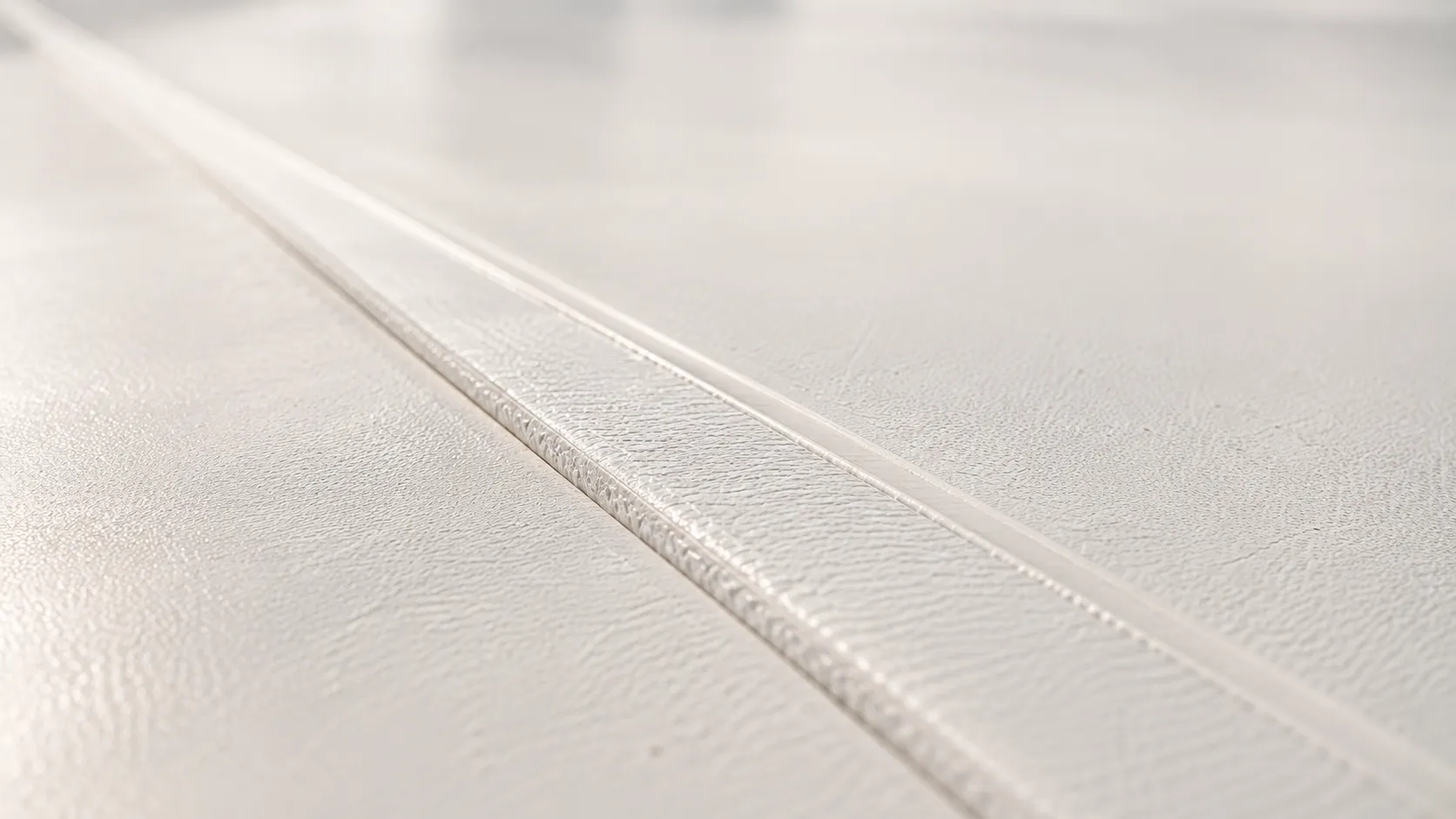
What roof goes on a flat or low-slope section?
Flat and low-slope roofs need a membrane system — TPO, PVC, modified bitumen, EPDM, or built-up roofing — not shingles, which rely on slope to shed water. The right choice depends on the section's use, drainage, and sun exposure. On any flat roof, drainage and proper seam and edge detailing matter more than the membrane brand.
Drainage is everything.
A sloped roof sheds water fast; a flat roof holds it. That's why the enemies of a flat roof are ponding water, failed seams, and weak edge metal — not the open field of the membrane.
Every penetration, seam, drain, and wall tie-in has to be detailed correctly, and standing water needs somewhere to go. Not every tired flat roof is a coating candidate, either — if it's already leaking or holding moisture, a coating just traps the problem; it needs replacement.
Which flat system is right?
TPO (Thermoplastic Polyolefin)
Heat-welded single-ply reflective membrane — the leading modern flat system for homes and commercial.
Our common go-to for residential flat sections and light commercial — reflective, weldable, and cost-effective when installed by a trained crew.
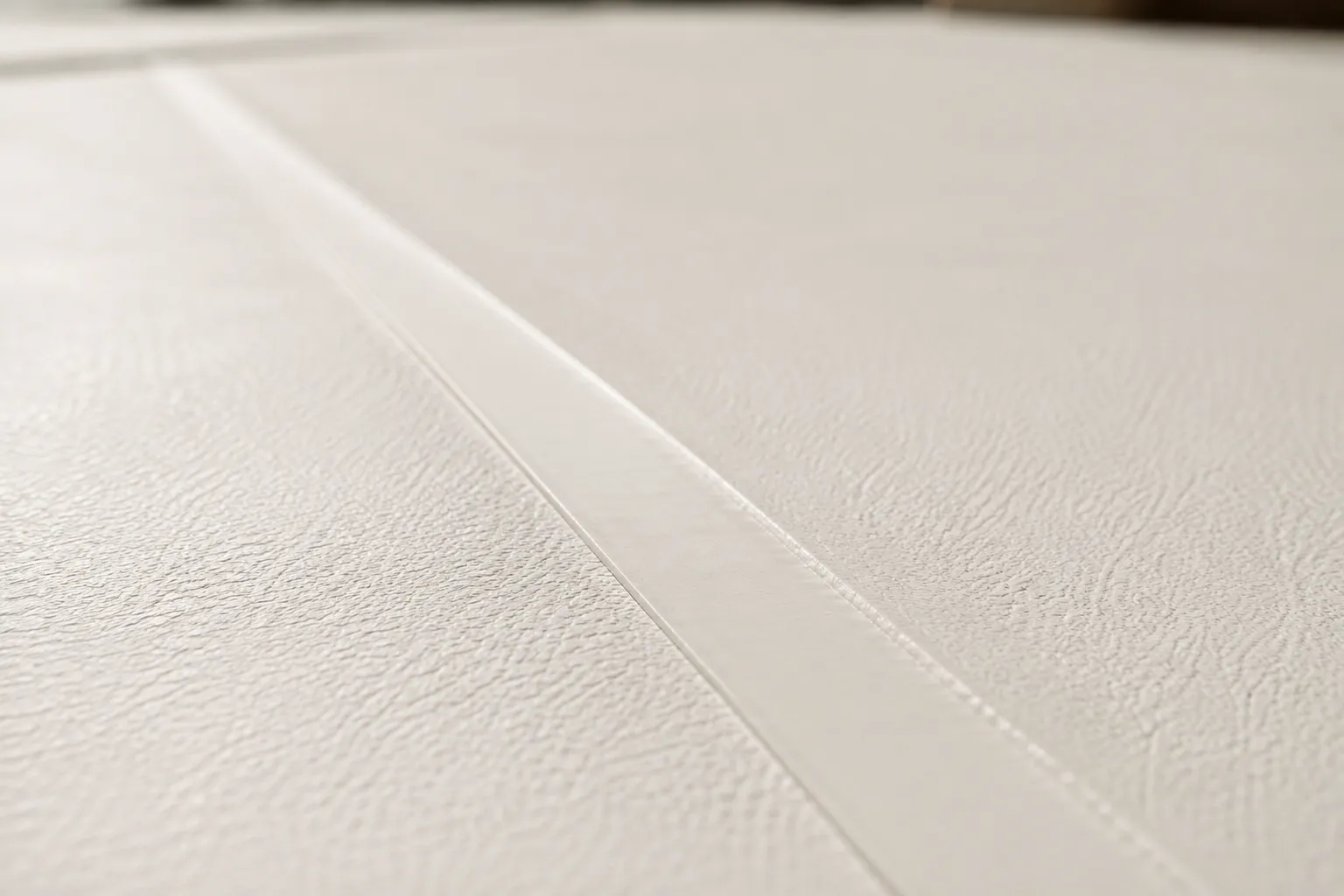
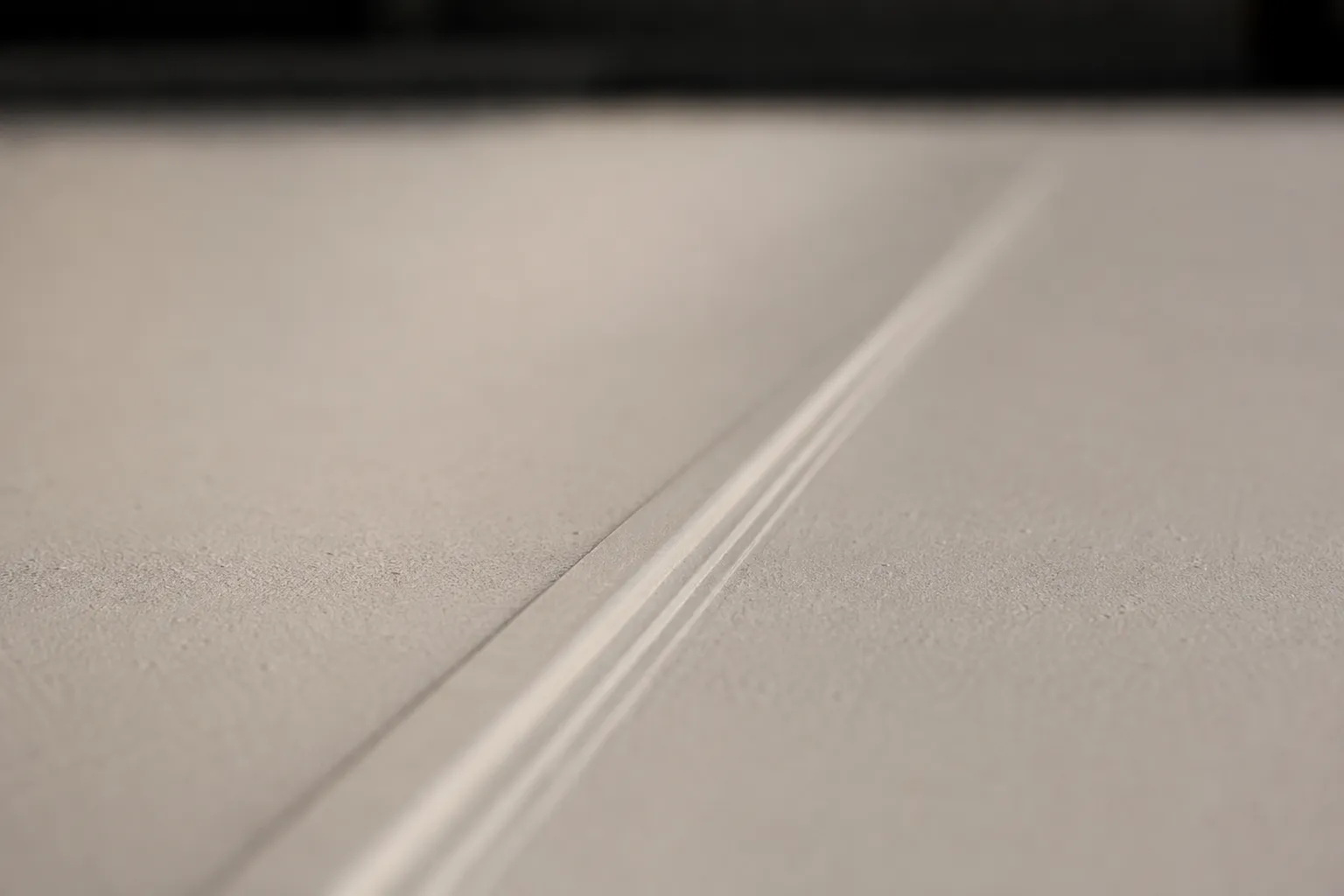
PVC (Polyvinyl Chloride)
Premium heat-welded single-ply with the best chemical, heat, and fire resistance.
Worth the upgrade where heat or grease exposure is high, or when you want the longest-lived single-ply membrane.
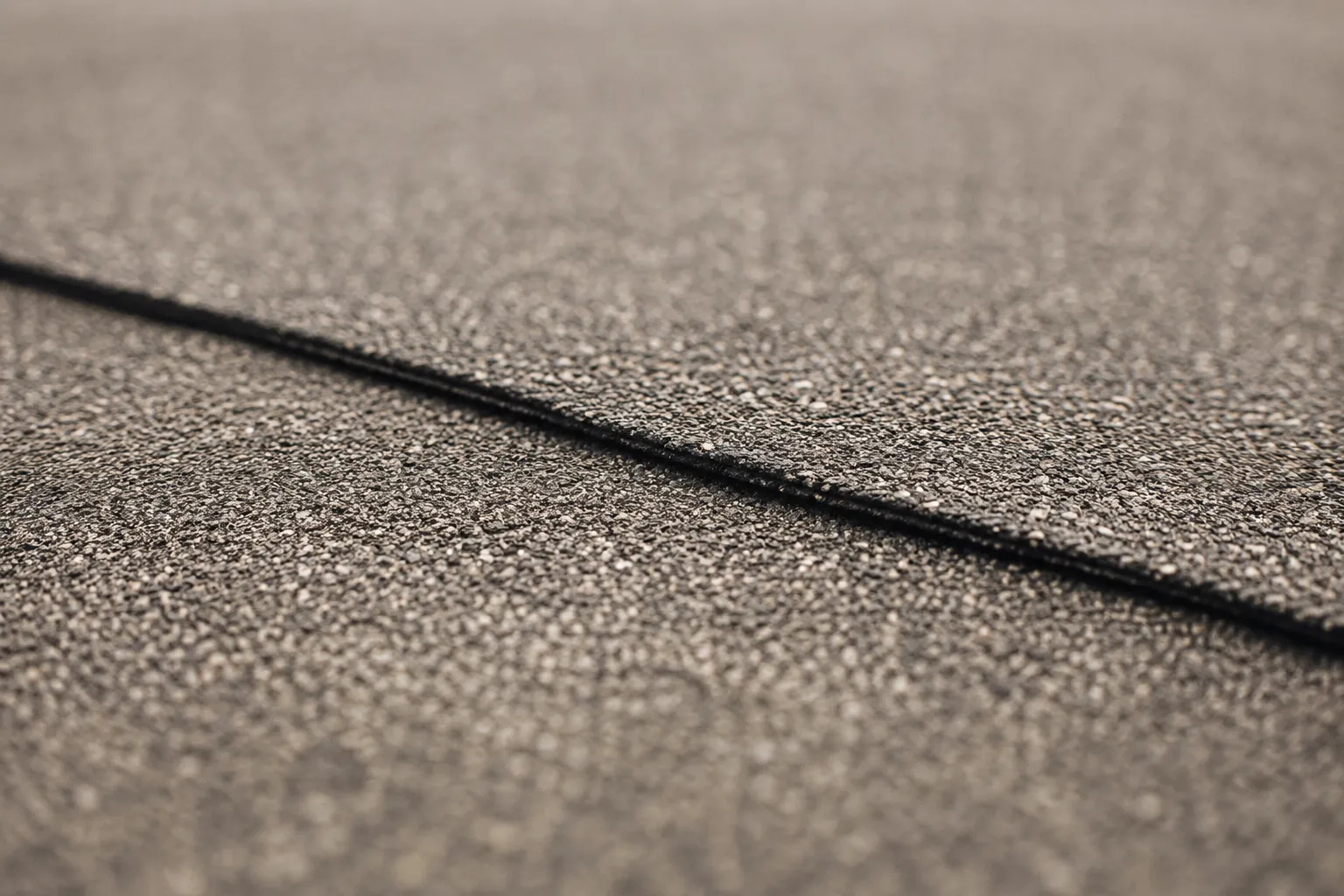
Modified Bitumen
Polymer-reinforced asphalt membrane in layers with a cap sheet — proven and foot-traffic-friendly.
A dependable choice for residential flat additions and porches, especially where the roof sees foot traffic.
EPDM (Rubber Membrane)
Large-sheet synthetic rubber, seamed with tape or adhesive — long-proven and economical.
Solid value for simple, large low-slope roofs — in Florida we recommend a reflective coating to fight heat gain.
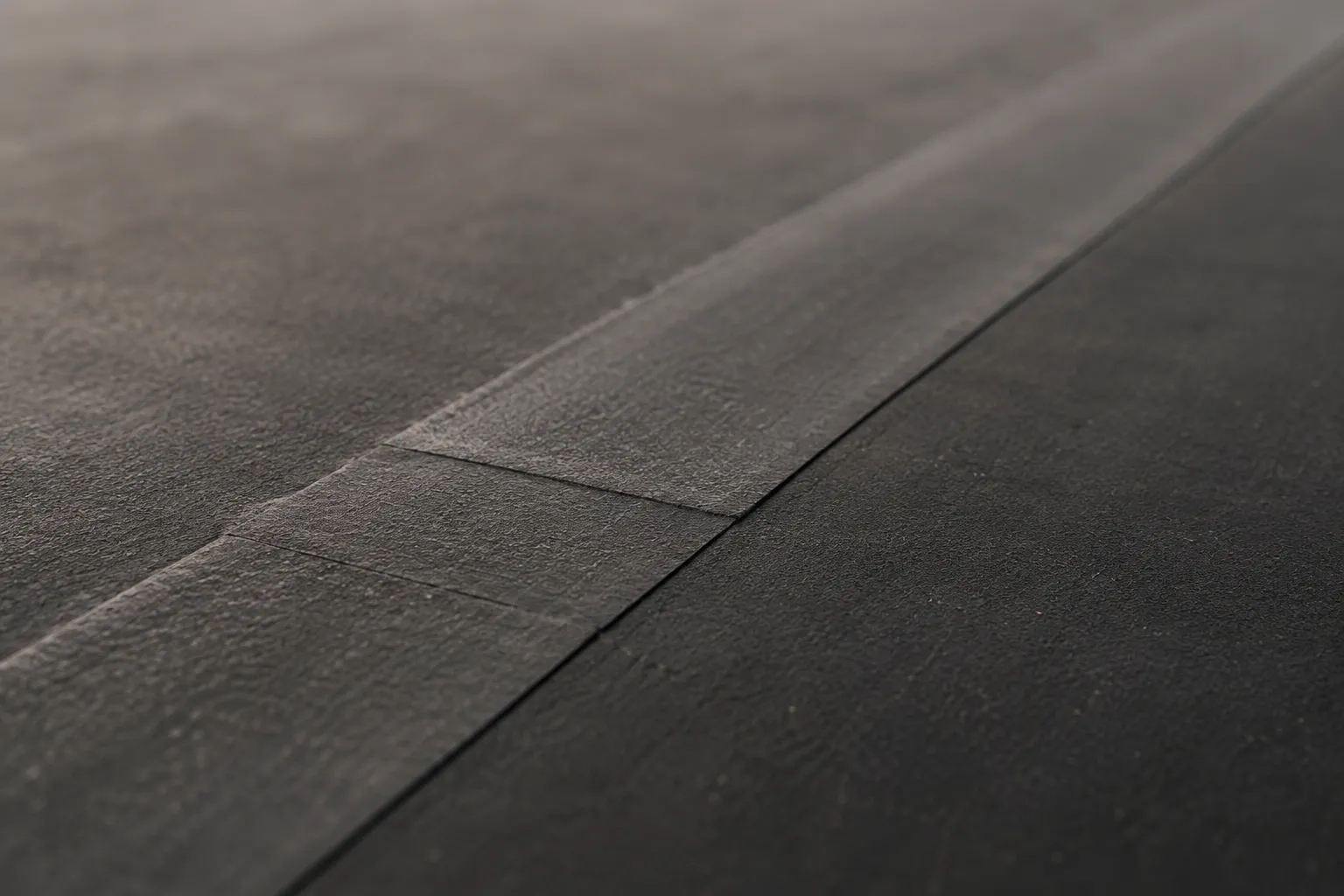

Built-Up Roofing (BUR)
The classic tar-and-gravel system — alternating bitumen and felt layers topped with gravel or a cap sheet.
Usually we're maintaining or replacing existing BUR with a modern single-ply — but it remains rugged for heavy-traffic roofs.
What a flat roof costs here
Flat pricing is section-based — most homes have a small flat area. Ranges below are installed, per square foot.
| System | Installed $/sq ft | Notes |
|---|---|---|
| Modified Bitumen | $5.00–$9.00 | Residential flat sections |
| EPDM | $5.50–$9.50 | Simple large roofs; coat for FL heat |
| Built-Up (BUR) | $5.50–$10.00 | Legacy / high-traffic |
| TPO | $6.00–$11.00 | Reflective modern standard |
| PVC | $7.00–$13.00 | Premium / high-heat |
Typical Central Florida ranges for education only; vary by section. What moves the price: square footage, tear-off & existing layers, insulation, drainage/slope work, penetrations, and edge metal.
Insurance, warranty & maintenance
Insurance: case-by-case — condition, ponding, and membrane age drive it more than material.
Warranty: 10–30 year membrane warranties (often require a certified installer plus inspection) plus Tip Top's workmanship warranty.
Maintenance: keep drains and scuppers clear, inspect seams and penetrations, address ponding, and recoat on schedule. As a GAF Master Elite contractor, we back commercial flat work with the strongest available warranties.
Flat roofing FAQ
Why can't I put shingles on my flat roof?
Shingles rely on slope to shed water. On a low slope, water sits and works under them — so flat sections need a sealed membrane instead.
TPO vs. modified bitumen — which is better?
TPO is reflective and modern; modified bitumen is tough and traffic-friendly. The best choice depends on how the section is used and its sun exposure.
Can my flat roof just be coated instead of replaced?
Sometimes — but not if it's already leaking or holding moisture. A coating over a wet roof just traps the problem. We inspect before recommending.
Why does my flat roof pond water?
Usually inadequate slope or clogged drains — both are fixable and important to address before they cause leaks.
How long will a flat roof last in Florida?
About 15–30 years depending on the system, drainage, and maintenance.
“You're paying for the roof, but we still own it.”
Flat roof, done right.
Home or commercial — get a free, no-pressure assessment and we'll tell you whether it needs a repair, a recoat, or a replacement.